Wilson Greatbatch and the Invention of the Implantable Pacemaker
Wilson Greatbatch (1919–2011) was an American engineer and inventor whose serendipitous discovery revolutionized medical treatment for cardiac conditions. He is best known for inventing the first clinically successful implantable cardiac pacemaker, a device that has saved and improved the lives of millions worldwide.
The Serendipitous Discovery
In 1956, while working in his backyard workshop, Greatbatch was attempting to build an oscillator to record heart sounds. By mistake, he installed a resistor with the incorrect resistance into the circuit. He noticed that the device began to emit a rhythmic electrical pulse that remarkably mimicked the steady, lub-dub beat of a human heart.
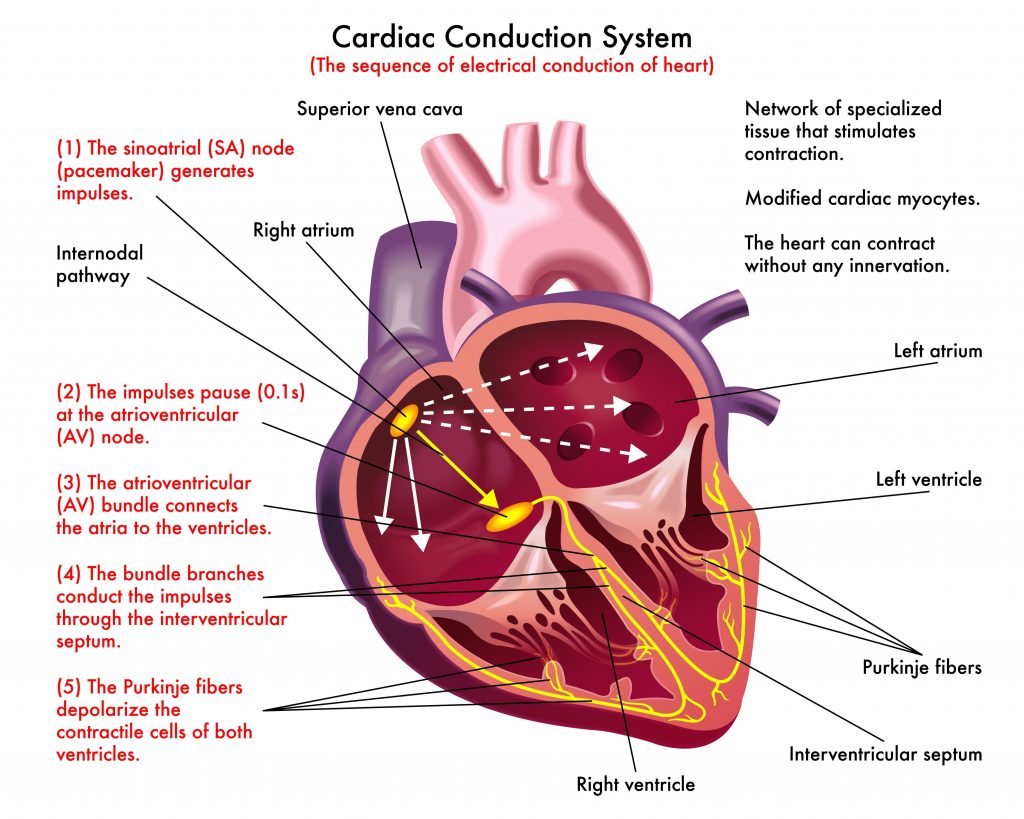
Recognizing the potential of this “accident,” Greatbatch realized that this compact, transistorized circuit could be used to stimulate a diseased heart that suffered from “heart block”—a condition where the electrical signals that regulate the heartbeat are interrupted.
Development and Implementation
Following his discovery, Greatbatch spent two years refining the device. He collaborated with surgeons Dr. William Chardack and Dr. Andrew Gage to test the unit. After successful trials in animals, the first human implantation of the Chardack-Greatbatch pacemaker took place in 1960.
Prior to this innovation, patients requiring cardiac pacing were tethered to large, bulky machines (often the size of a television set) that required a connection to an electrical outlet. Greatbatch’s device, which was roughly the size of a hockey puck, allowed patients to move freely and resume active, independent lives.
Long-Term Impact
Greatbatch did not stop at the initial design. He recognized that battery life was a critical limitation and continued to innovate, eventually developing the lithium-iodide battery in the 1970s. This transition provided the high reliability and longevity necessary to make pacemakers a standard, long-term medical solution, often lasting ten years or more before needing replacement.
Throughout his prolific career, Greatbatch held over 325 patents. He was inducted into the National Inventors Hall of Fame and received the National Medal of Technology and Innovation. Beyond his medical contributions, he pursued interests in environmental technology, such as solar-powered vehicles, and remained a committed inventor until his death in 2011.