Sir Frank Whittle (1907–1996) was a British Royal Air Force (RAF) officer and engineer who invented the turbojet engine. While his invention fundamentally changed global aviation and initiated the Jet Age, his early career was defined by frustrating rejections from the very military establishment his engine would later save.
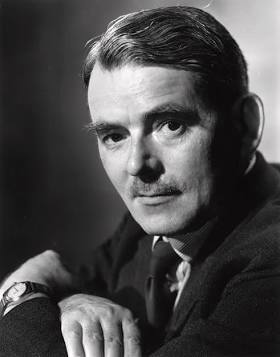
Much like other pioneering figures in the history of science whose revolutionary concepts were initially met with institutional skepticism—echoing the hurdles faced by Edwin Land with the polarized camera or René Laennec with the stethoscope—Whittle had to champion his own invention against significant bureaucratic resistance.
The Air Ministry Rejection
In 1929, as a young RAF pilot, Whittle conceptualized using a gas turbine to produce a high-powered exhaust jet for aircraft propulsion. He submitted his detailed calculations and proposals to the British Air Ministry. The proposal was reviewed by Alan Arnold Griffith, an aerodynamicist at the Royal Aircraft Establishment, who pointed out a flaw in Whittle’s calculations and dismissed the entire concept as impractical.
The Air Ministry officially rejected the design, stating that the metallurgical demands for such an engine were too advanced for the materials available at the time. Because they had no official interest, the Ministry did not classify the invention under the Secret list.
Whittle patented the turbojet design in 1930. However, without military backing or a secrecy order, his patent was published globally in 1932. German engineers, who were already researching jet propulsion, had full access to his public designs. Unable to find private investors during the Great Depression, Whittle could not afford the £5 renewal fee in 1935, and his original patent lapsed.
Breakthrough and the Jet Age
Despite the setbacks, Whittle secured limited private financing in 1936 and formed Power Jets Ltd. Working in a borrowed foundry, he successfully ground-tested the first turbojet engine—the Whittle Unit—in April 1937.
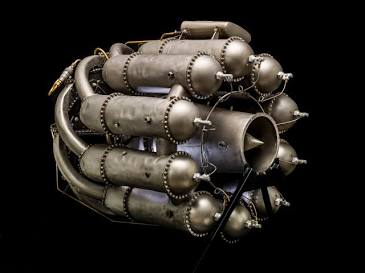
It was only in 1939, with World War II looming and German jet development accelerating, that the Air Ministry finally recognized their error and provided funding for a flight-worthy engine. On May 15, 1941, the Gloster E.28/39, powered by Whittle’s W.1 engine, made its historic maiden flight.
Explore the internal mechanics of a modern turbojet engine to see how Whittle’s basic four-step cycle (intake, compression, combustion, exhaust) revolutionized thrust:
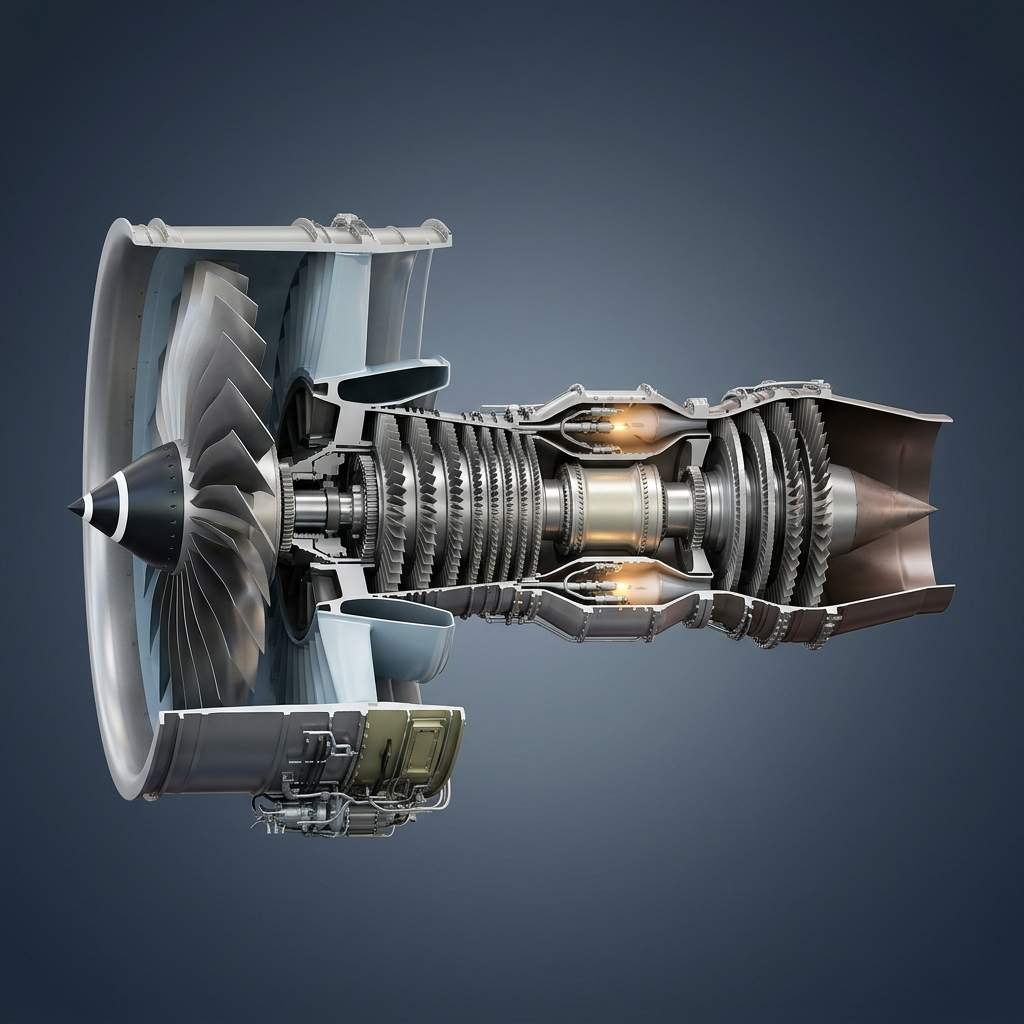
Key insight: While modern commercial jet engines use a “turbofan” design for better fuel efficiency, the core gas turbine operating inside them remains conceptually identical to Whittle’s 1930 patent.
Key Milestones
- Initial Conception
1928–1929
Whittle theorizes that a gas turbine could propel an aircraft at high altitudes and speeds, submitting his idea to the Air Ministry. - Military Rejection & Patent
1930
The Air Ministry dismisses the engine as impractical. Whittle files a patent, which is published globally because it is not deemed a military secret. - First Ground Test
April 1937
Funded by private backers, Whittle successfully runs his first experimental turbojet engine. - First British Jet Flight
May 1941
A decade after his initial rejection, a Whittle engine successfully powers the Gloster E.28/39 in flight.