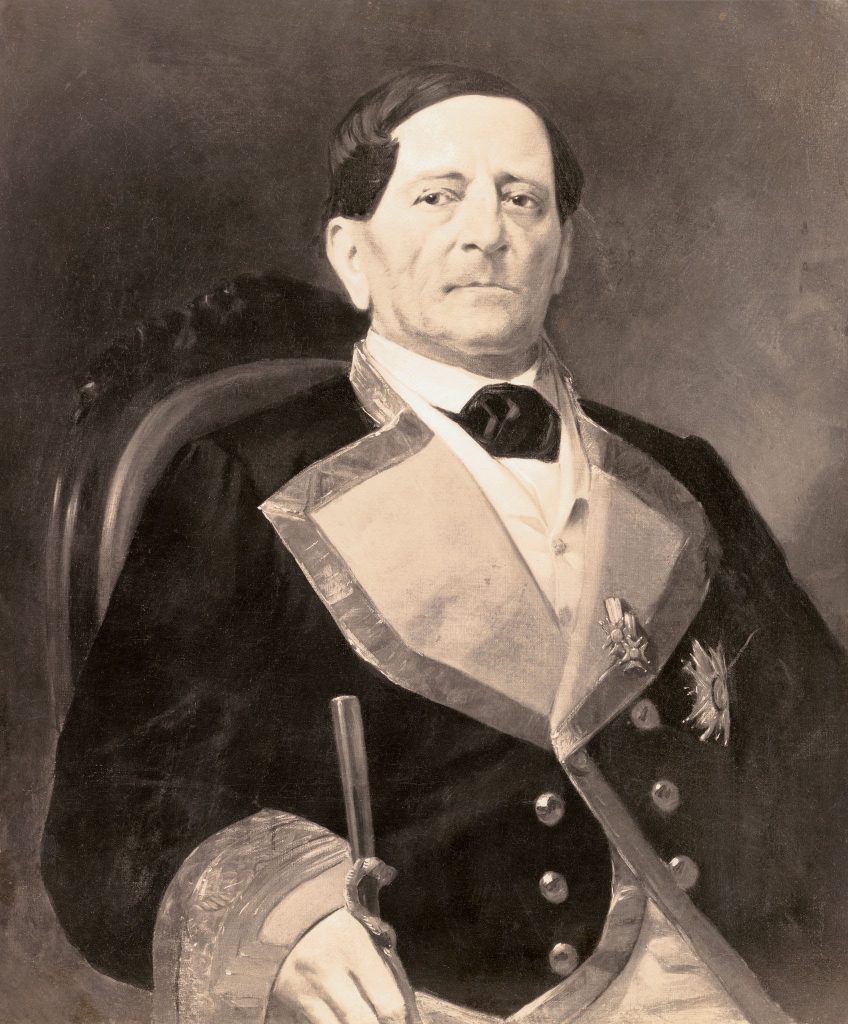
Antonio López de Santa Anna, widely known for his tumultuous political and military career in 19th-century Mexico, played a surprising and pivotal role in the invention of modern chewing gum. While living in exile in the United States, his attempt to market a natural tree resin as a rubber substitute inadvertently birthed a multi-million-dollar candy industry.
The Chicle Scheme
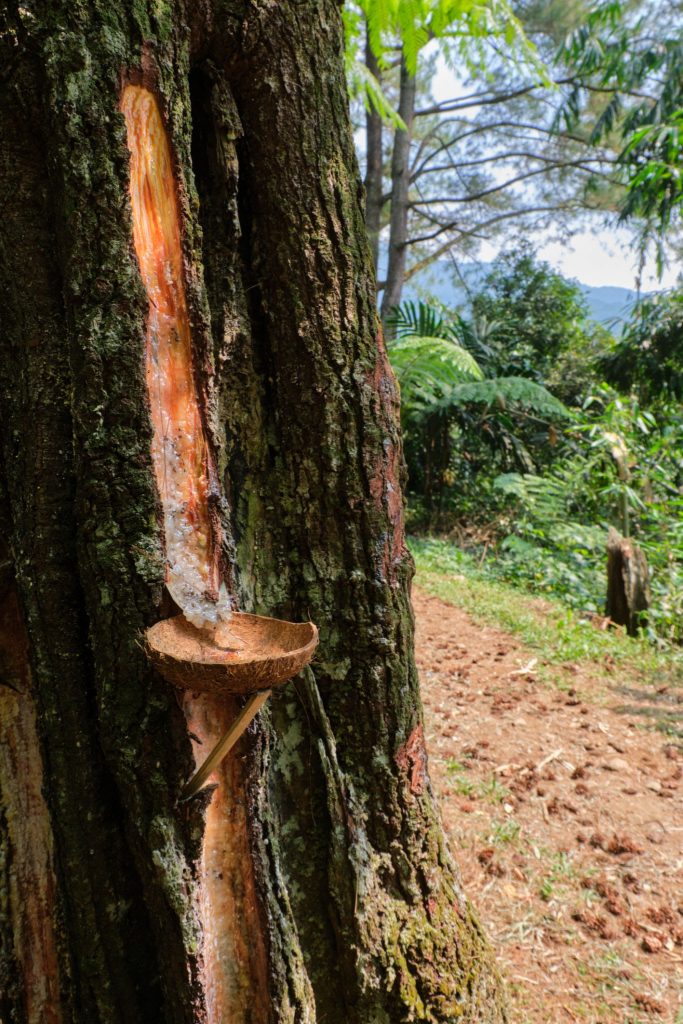
In the late 1860s, following a series of political defeats, the former Mexican President found himself living in Staten Island, New York. Santa Anna was eager to raise funds to finance a return to power in Mexico. He brought with him a large supply of chicle, a milky latex sap harvested from the sapodilla tree native to the Yucatán Peninsula.
Since pre-Columbian times, the Maya and Aztec peoples had boiled and chewed chicle for oral hygiene and stress relief. Santa Anna, however, envisioned a highly profitable industrial use. He hoped that chicle could be vulcanized and sold to American manufacturers as a cheap alternative to natural rubber for producing carriage tires, boots, and toys.
Partnership with Thomas Adams
Santa Anna’s interpreter introduced him to Thomas Adams, an American inventor, photographer, and businessman. Intrigued by the financial potential, Adams purchased a large quantity of the chicle and spent roughly a year trying to vulcanize the resin, blending it with various materials to create viable synthetic rubber.
Despite numerous experiments, Adams failed to produce a durable rubber substitute. Frustrated and out of funds for the project, Santa Anna eventually abandoned the venture. He left his remaining chicle supply with Adams before returning to Mexico.
The Birth of Modern Chewing Gum
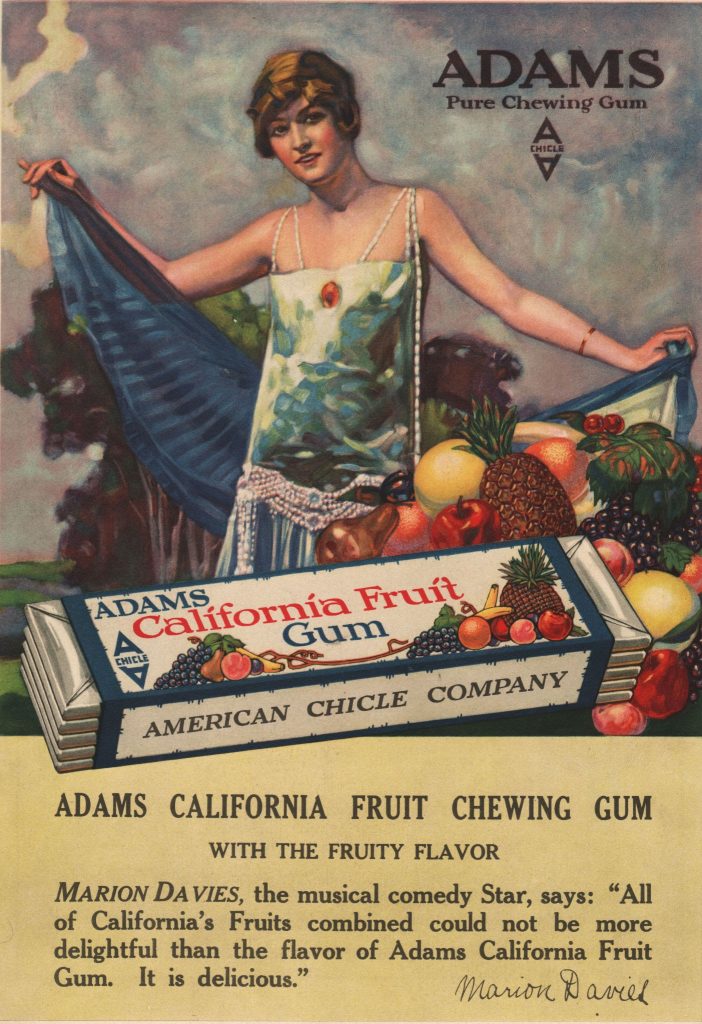
Left with a massive stockpile of seemingly useless tree sap, Adams remembered that Santa Anna frequently chewed the raw chicle. Adams realized the resin’s true commercial potential wasn’t as a rubber substitute, but as a chewable confection.
At the time, existing commercial chewing gums were made from sweetened paraffin wax or spruce sap. These older gums were brittle, tough to chew, and lost their flavor almost immediately. Chicle offered a vastly superior experience — it was naturally soft, highly stretchable, and held added flavors remarkably well.
Adams and his son began experimenting in their kitchen:
- They boiled the raw chicle in hot water to soften it.
- They kneaded it into a dough-like consistency.
- They rolled it into small, flavorless balls.
In 1871, Adams patented a machine for manufacturing gum and began selling “Adams New York Chewing Gum.” It was an immediate success. The company soon added flavorings like licorice to create “Black Jack” gum and eventually launched “Chiclets,” the iconic candy-coated gum squares.
While Thomas Adams built an international confectionery empire from the sap, Antonio López de Santa Anna died in relative poverty in 1876, entirely unaware that his failed rubber scheme had revolutionized the global chewing gum industry.
VIDEO: The History of Chewing Gum and Santa Anna!