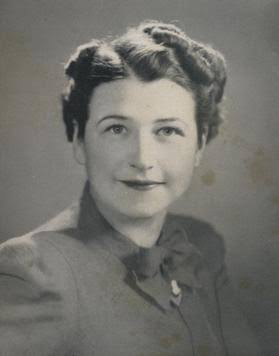
Ruth Graves Wakefield (June 17, 1903 – January 10, 1977) was an American chef, educator, dietitian, and business owner. While universally recognized as the inventor of the chocolate chip cookie, her background was deeply rooted in culinary science and nutrition, which paved the way for her famous creation.
Early Life and Education
Born Ruth Jones Graves in East Walpole, Massachusetts, she was raised in the neighboring town of Easton. Wakefield pursued formal education in the culinary arts, graduating from the Framingham State Normal School (now Framingham State University) in 1924 through their Department of Household Arts.
Before her entrepreneurial success, she worked as a high school home economics teacher, a hospital dietitian, and a food lecturer. This formal training honed her methodical approach to recipe development and kitchen management. In 1928, she married Kenneth Donald Wakefield, a meatpacking executive, and the couple went on to have two children, Kenneth Jr. and Mary Jane.
The Toll House Inn
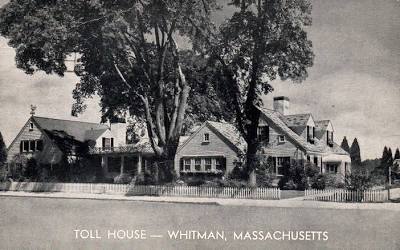
In 1930, amidst the economic turmoil of the Great Depression, Ruth and Kenneth pooled their life savings to purchase a historic tourist lodge in Whitman, Massachusetts. They named the restaurant and lodge the Toll House Inn.
While Kenneth managed the business, Ruth cooked the meals, utilizing a mix of her grandmother’s colonial recipes and her own innovations. Her meticulous attention to quality quickly grew the inn’s dining room from just seven tables to over sixty, eventually attracting notable patrons like Joseph Kennedy Sr.
Invention of the Chocolate Chip Cookie
The defining moment of Wakefield’s career occurred around 1938 when she and her assistant, Sue Brides, were looking to create a new variation of their popular butterscotch nut “Butter Drop Do” cookie.
She chopped up a bar of Nestlé semi-sweet chocolate—given to her by Andrew Nestlé—and added the chunks to the dough. While the standard baker’s chocolate of the era would have melted entirely into the batter, the semi-sweet chunks held their shape, creating a buttery cookie with distinct pockets of melty chocolate. She dubbed her creation the Toll House Chocolate Crunch Cookie.
The “Accident” Myth: A popular legend claims Wakefield invented the cookie by mistake when she ran out of melting chocolate and improvised. However, food historians point out that her background as a trained dietitian and expert baker makes it highly likely she knew exactly how the semi-sweet chunks would behave in the oven.
Legacy and The Nestlé Partnership
As the cookie surged in local popularity, regional sales of Nestlé’s semi-sweet chocolate bars spiked. In 1939, Wakefield entered into a legendary agreement with Andrew Nestlé: she gave the company the right to print her Toll House Cookie recipe on their chocolate packaging. In exchange, she received a lifetime supply of Nestlé chocolate, a reported sum of $1, and a consulting position with the company.
To make her recipe easier for home bakers to replicate, Nestlé soon began pre-scoring their chocolate bars and eventually invented the “chocolate chip” morsel we know today.
Wakefield was also an accomplished author, publishing the highly successful cookbook Ruth Wakefield’s Toll House: Tried and True Recipes, which went through 39 printings. She and Kenneth operated the inn until 1967 when they sold the business and retired. She passed away in Plymouth, Massachusetts, in 1977.